
Pictograms: Iconic Japanese Designs
In 2025, Japan House announced plans to host a touring exhibition entitled “Pictograms: Iconic Japanese Designs” an exhibition stemming from Nippon Design Center’s on-going Experience Japan Pictograms project.
Japan House’s touring program travels between its locations in London, Los Angeles, and São Paulo, sharing the many facets of Japanese cultures with global audiences.
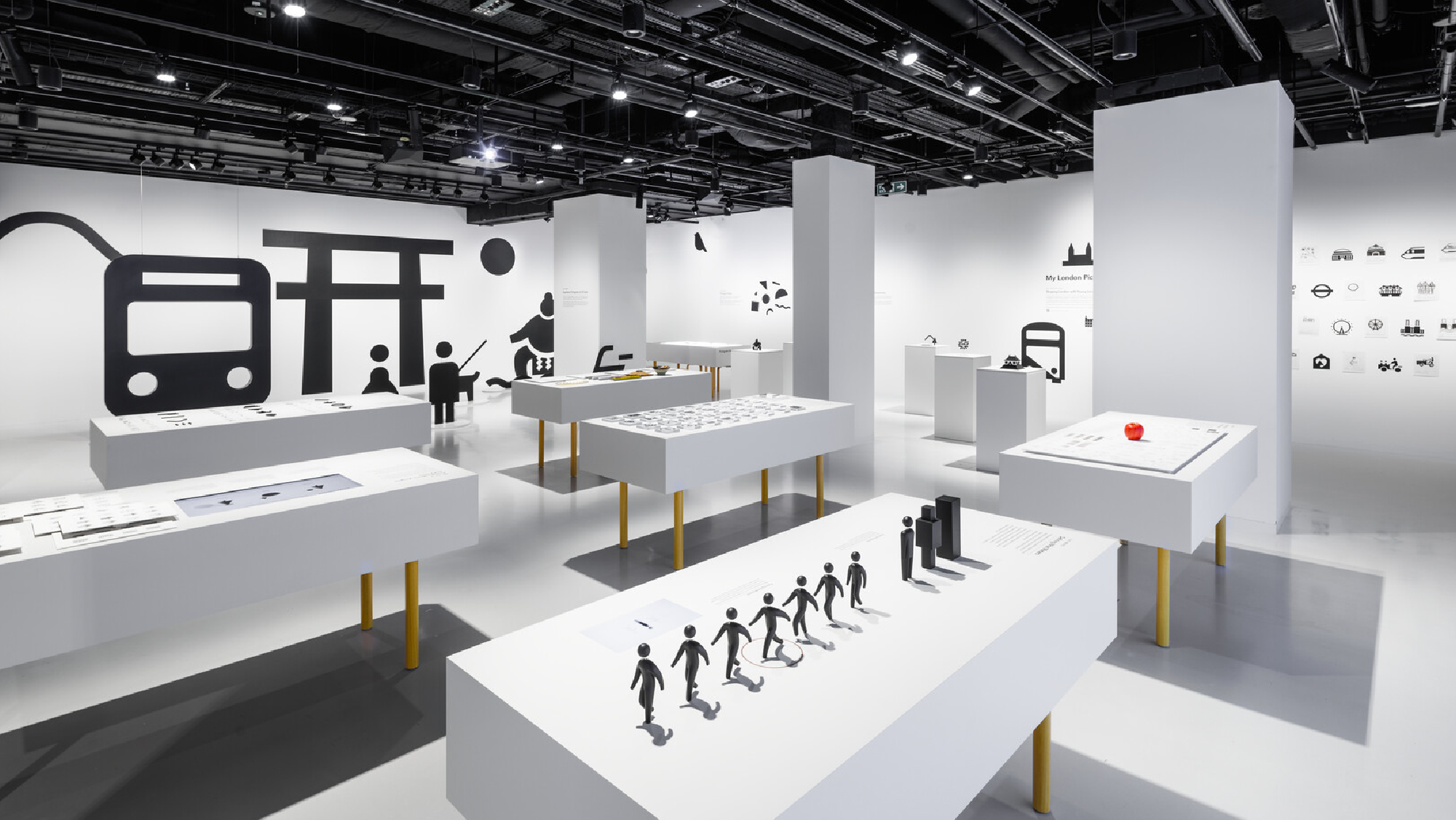
Building on the Experience Japan Pictograms project, which originally developed to support tourism experiences in Japan through design, the exhibition presents not only ways to communicate Japanese manners and customs with clarity, but also ideas for enhancing accessibility. Incorporating experimental approaches such as setting pictograms in motion and giving them three-dimensional form, the exhibition not only deepens understanding of Japan, but also invites visitors to discover new possibilities in visual communication.
In this newsletter, we introduce selected highlights from the exhibition.
Japanese Design and Pictograms
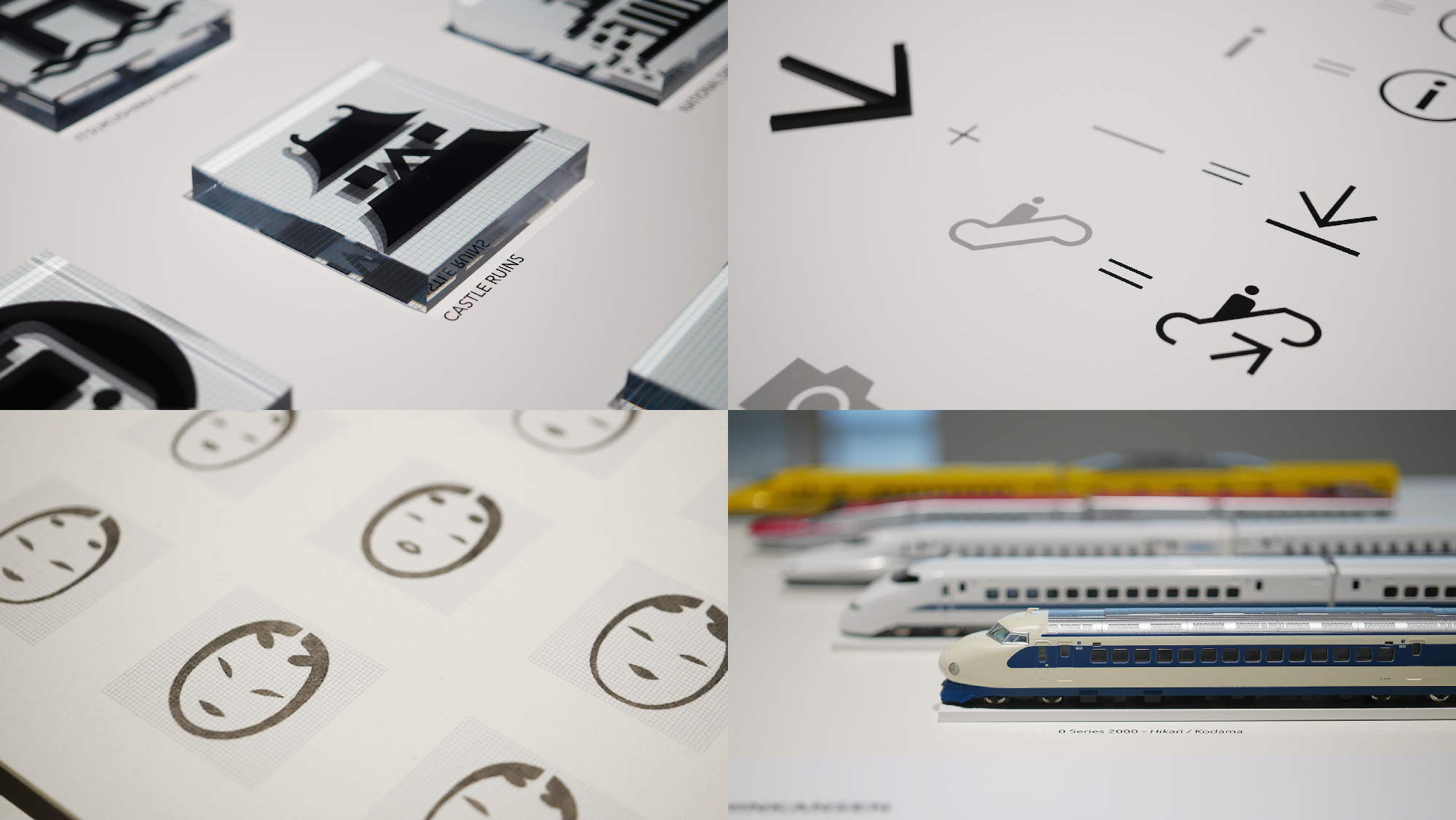
Japanese design has several distinctive qualities.
There is a universality that gracefully transcends language barriers.
There is an aesthetic sensibility that finds value and function within limited space.
And there is a form-making power that captures the essence of things and renders them with clarity.
All of these qualities converge in the pictogram.
Pictograms are a form of visual communication that conveys information through designs anyone can understand. They are woven into everyday life—appearing in public facilities, transportation systems, maps, websites, and messages on social media. This is a field in which Japanese designs excell—the ability to depict each subject with distinguishing beauty while maintaining universality.
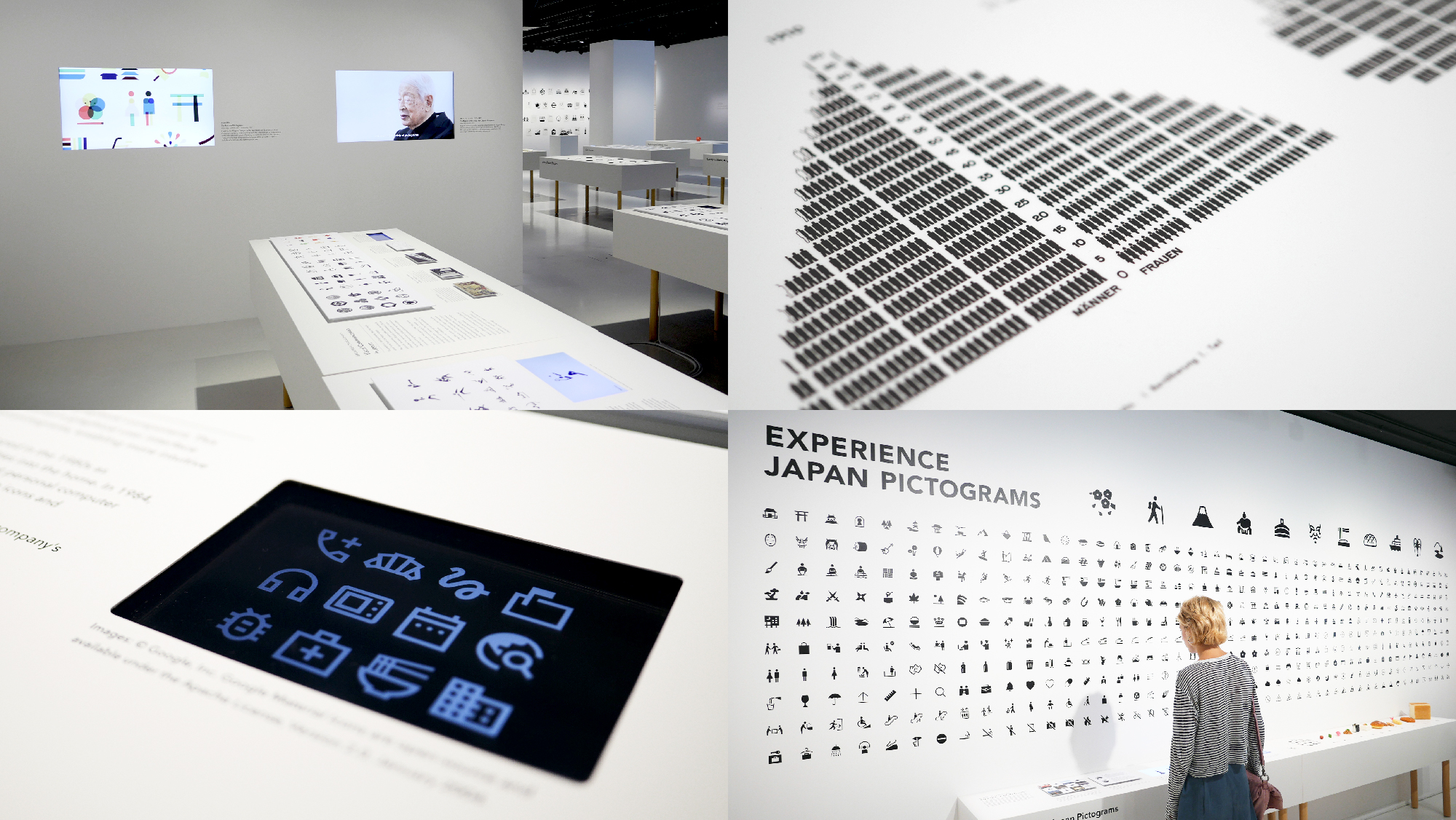
In this exhibition, we explored the allure of pictograms by tracing their past and imagining their future.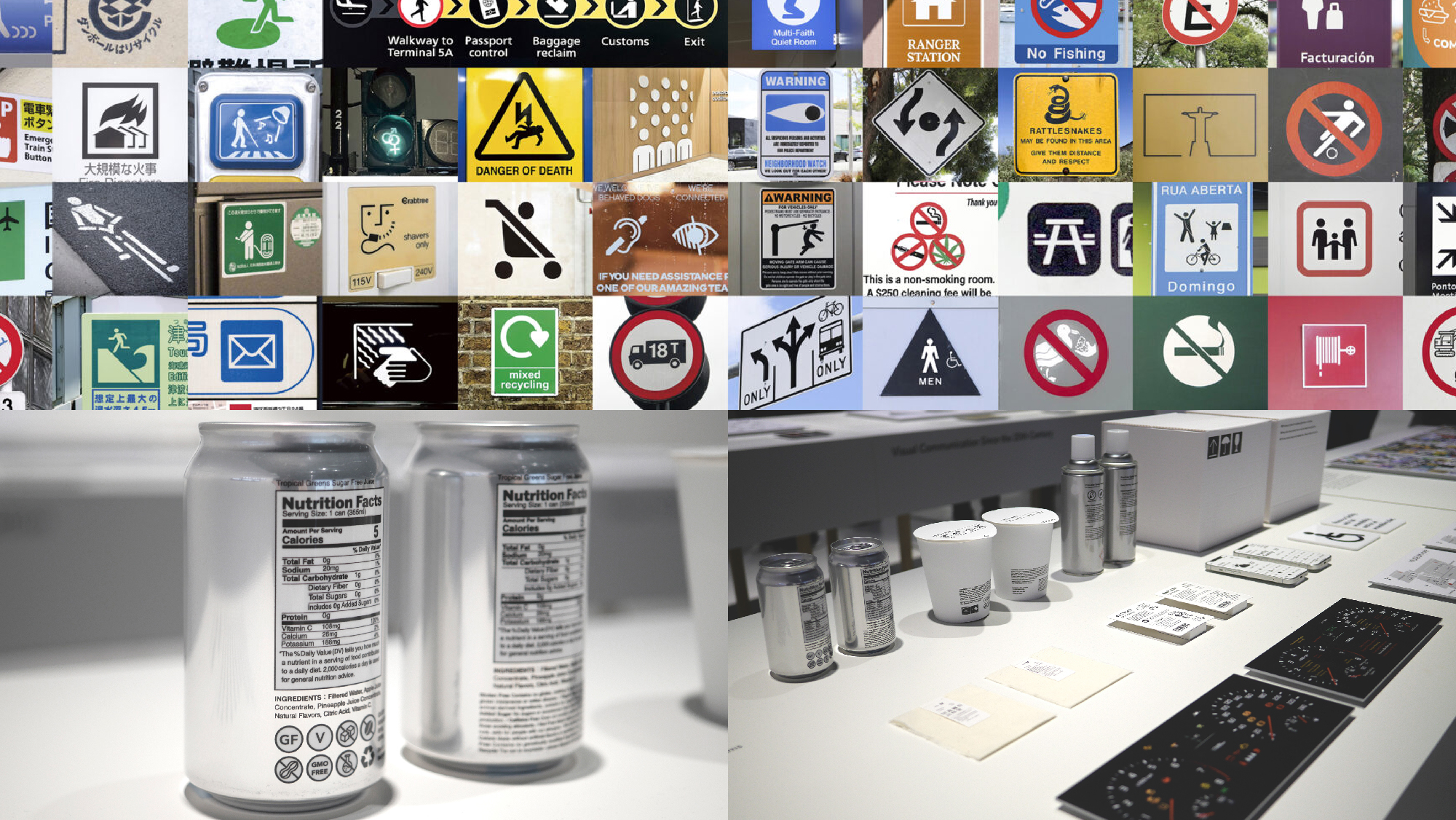
The History of Pictograms
The origins of pictograms can be reached back thousands of years, to the earliest drawings and diagrams created by humankind.
In the exhibition, examples such as the cave paintings of Lascaux in France and the hieroglyphs of ancient Egypt were presented. Through these, visitors were invited to reflect on how visual communication has played a role throughout humanity's long history, evolving and developing over time.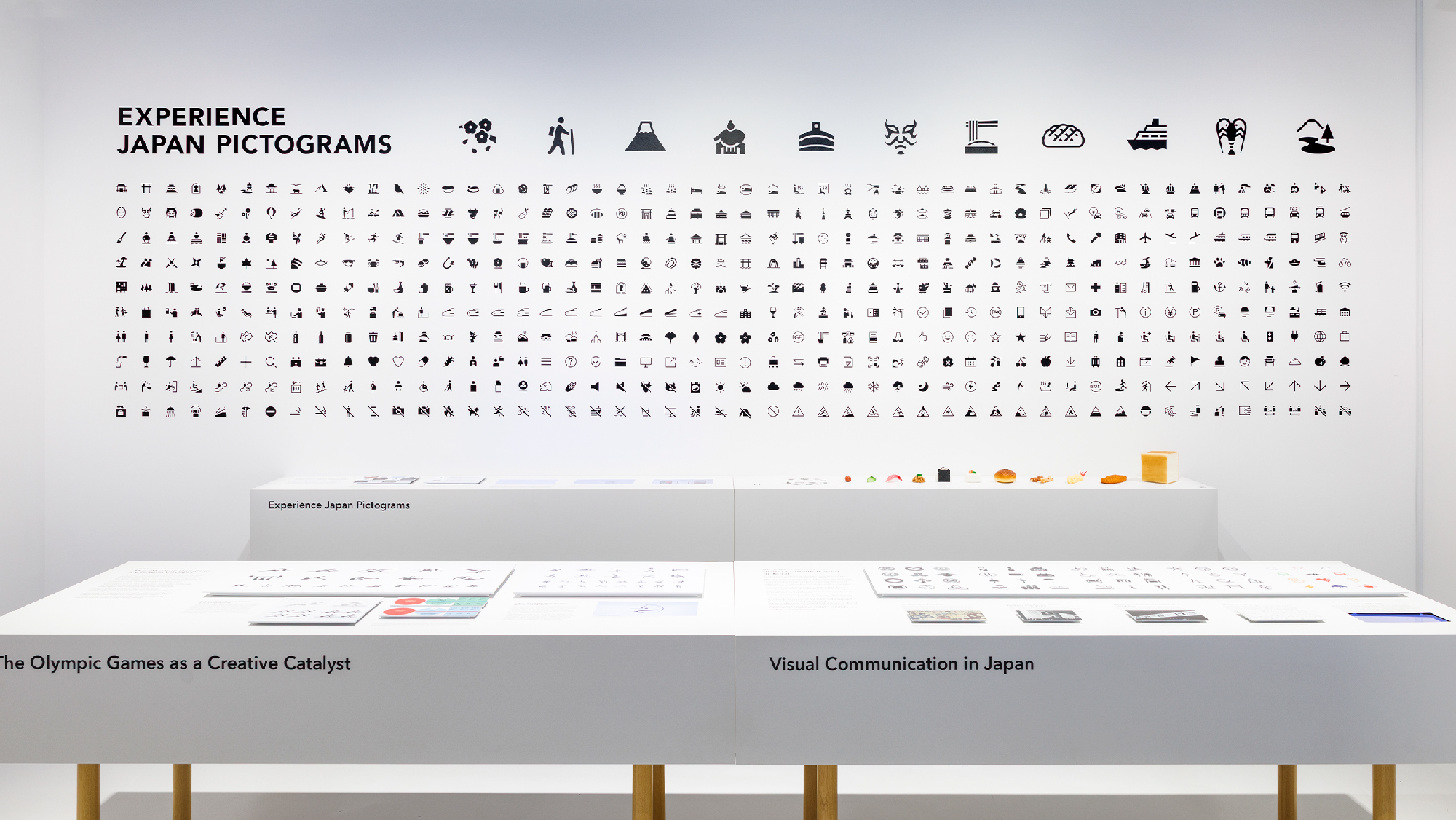
The World’s First Systematic Facility Pictograms
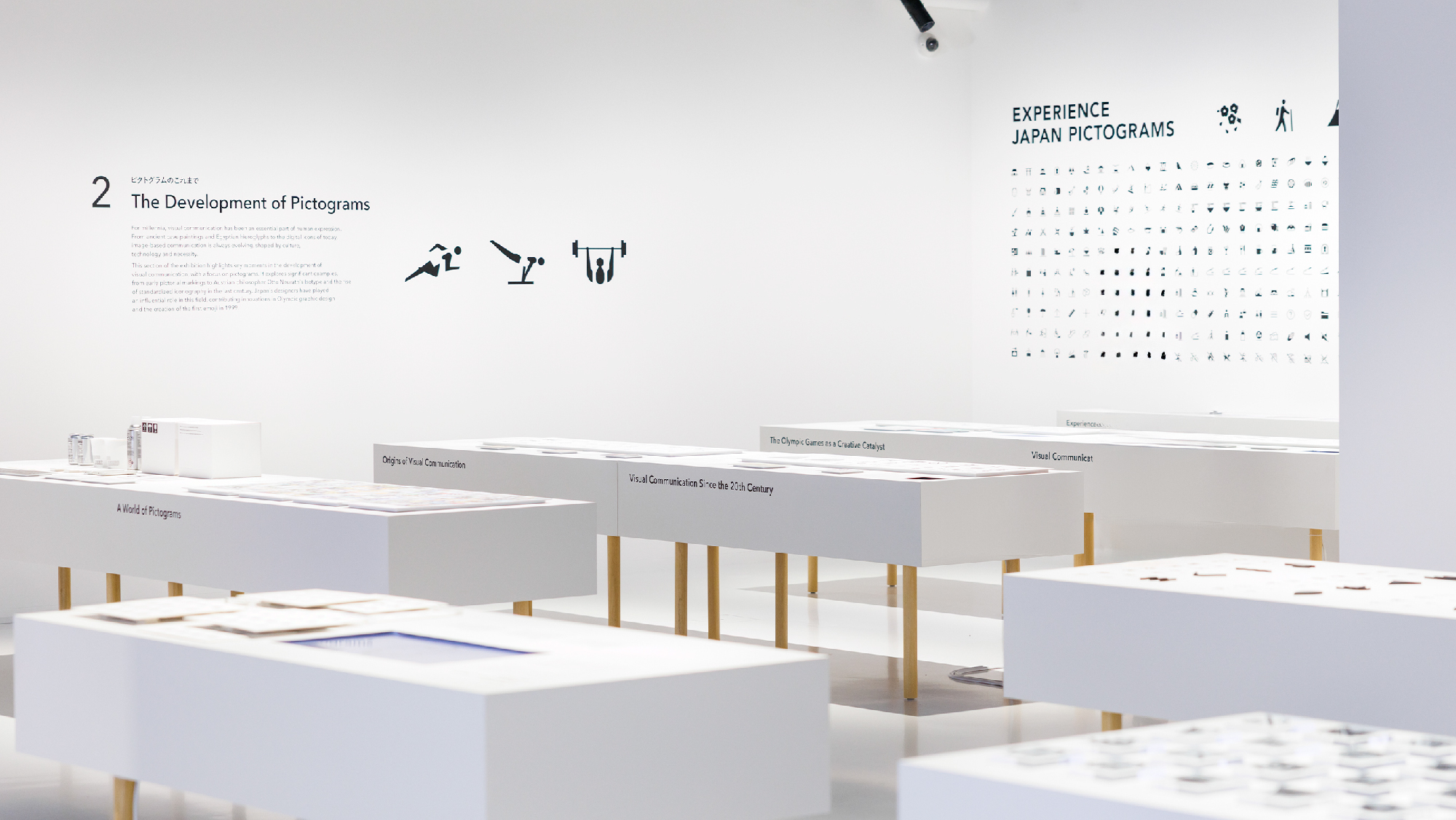
As an important milestone that shaped the prevalence of pictograms in the 20th century and onwards, the exhibition highlighted the visual communication strategies used in the 1964 Tokyo Olympics. For the first time, the world’s first systematic set of facility pictograms was introduced at these Games to help guide visitors from around the world with ease and unburdended by language barriers. The project involved dozens of leading designers, including Kazumasa Nagai of the Nippon Design Center.
The clear, minimalist designs they produced went on to exert a major influence on the signage systems of subsequent Olympic Games and international events.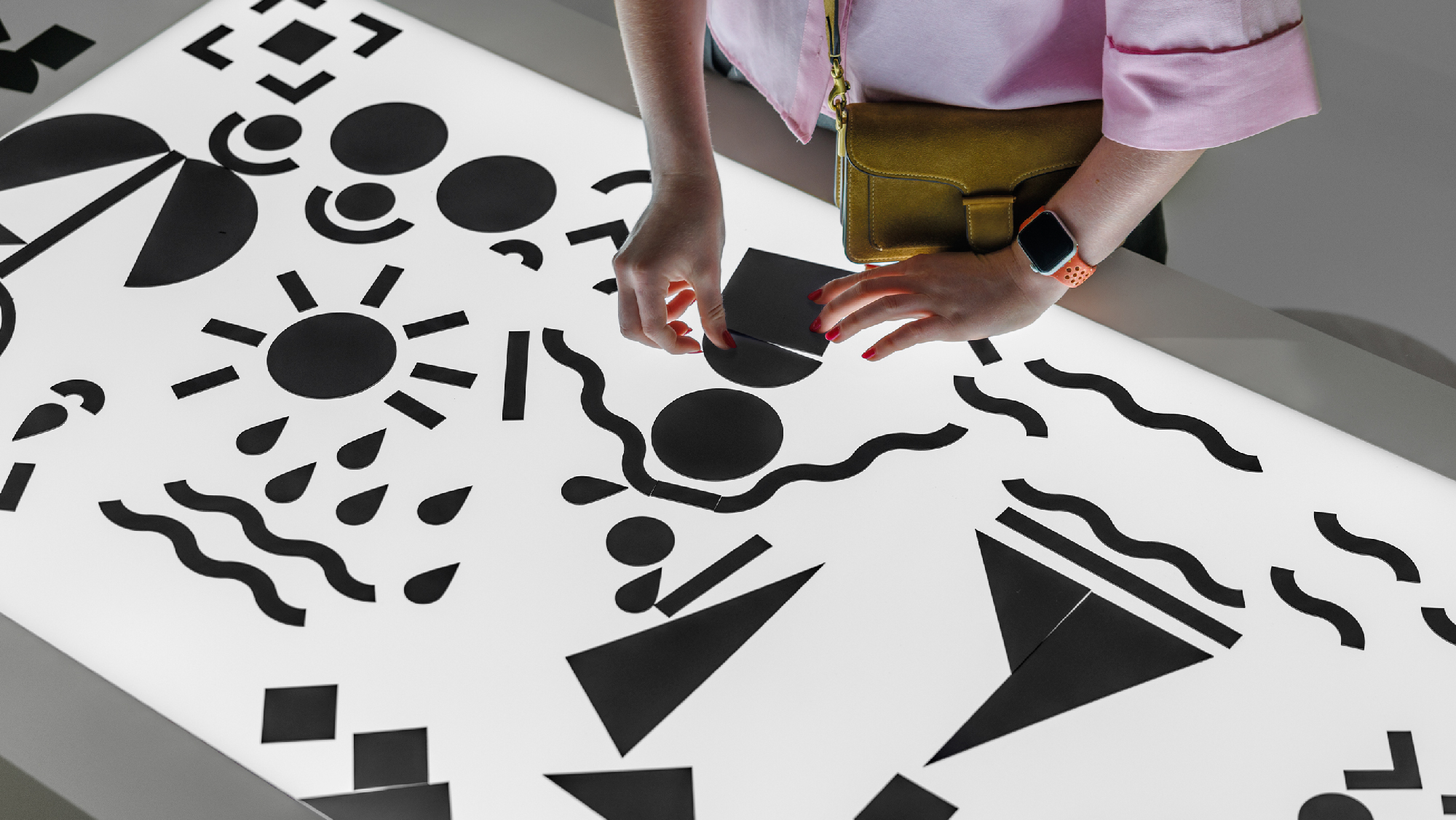
The Future of Pictograms
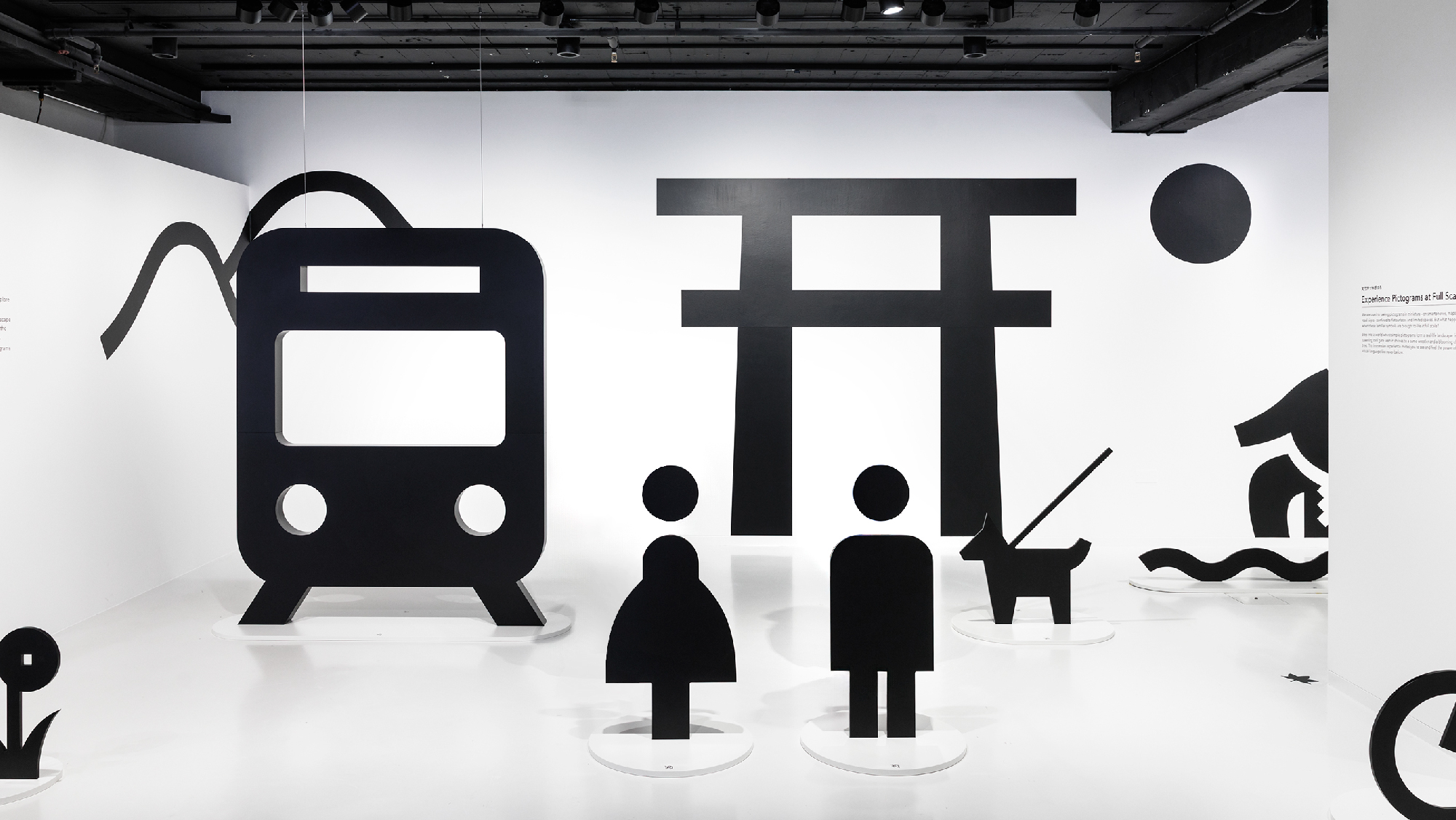
The exhibitions also featured 3D pictograms and participatory installations. In one area of the gallery, visitors were invited to become part of the pictogram world themselves, immersing them in its visual language. Another area offered sample parts with which people could design their own original pictograms. The result was a space in which the simple yet profound world of pictograms could be experienced in a more intuitive, tactile way.
Through the lens of pictograms, this exhibition invited a fresh reconsideration of “Japanese design” and the nature of visual communication. Nothing would make us happier than knowing that, for those who visited, it became an opportunity to deepen their understanding of Japan or discover something new.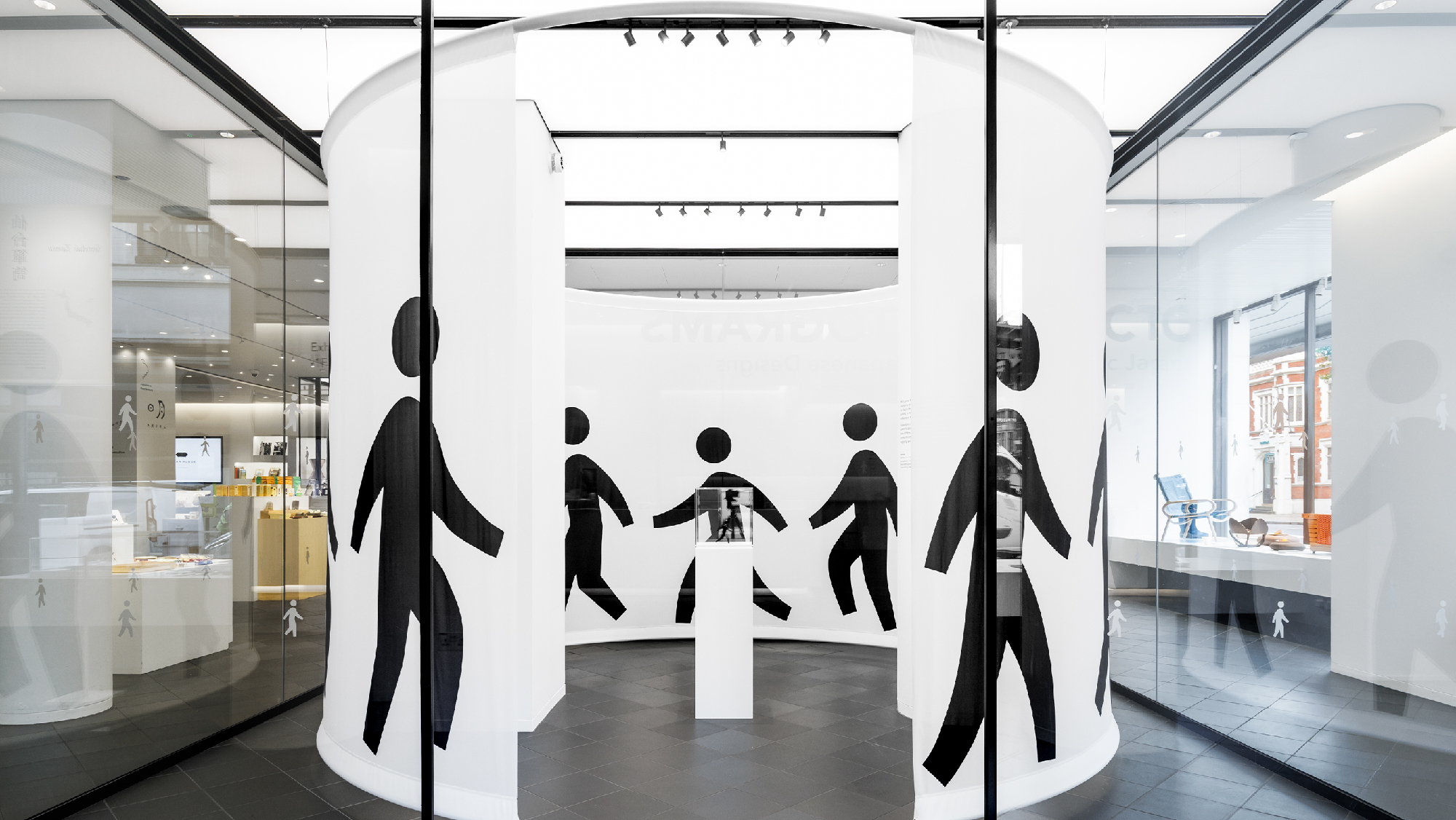
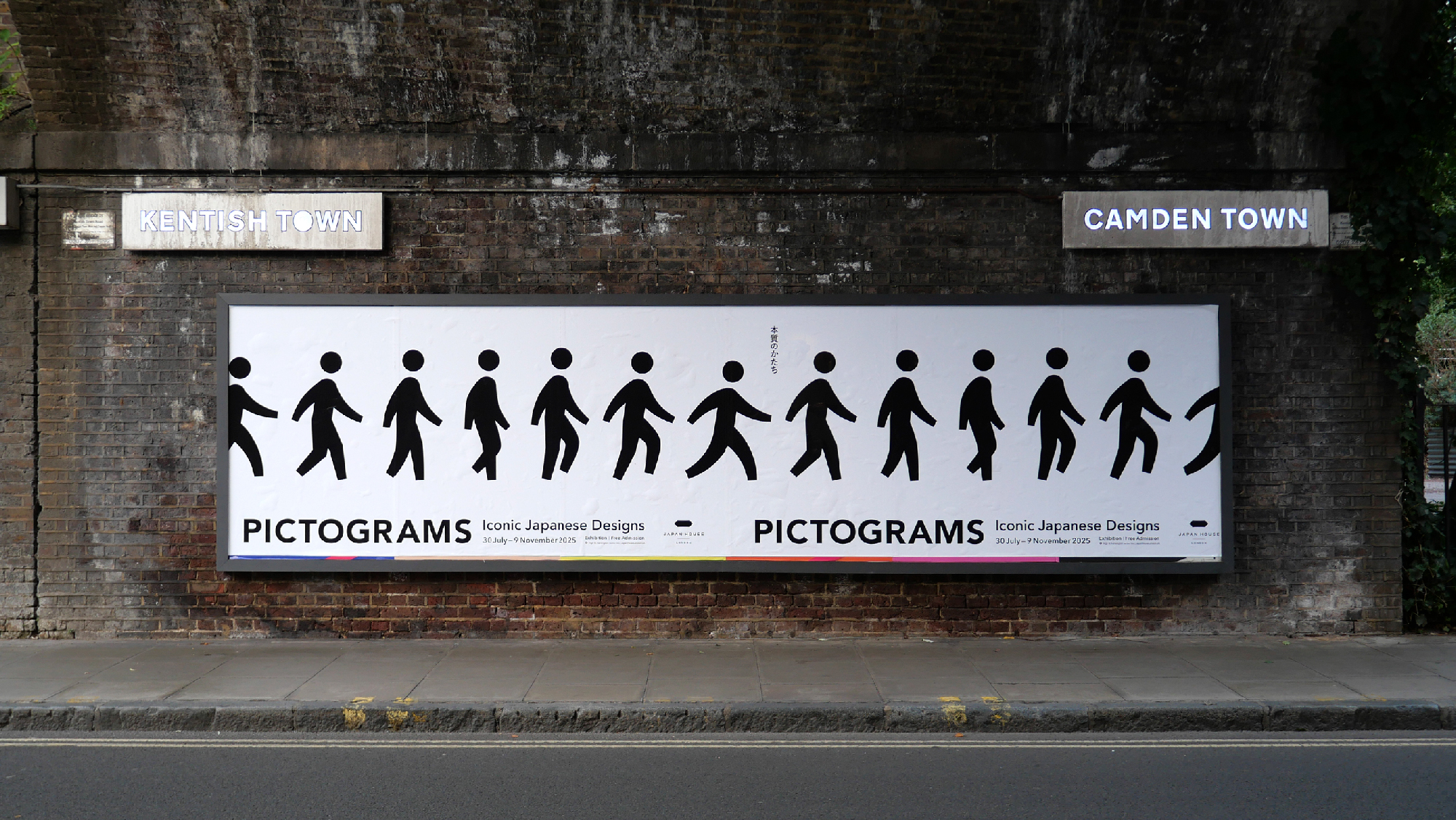
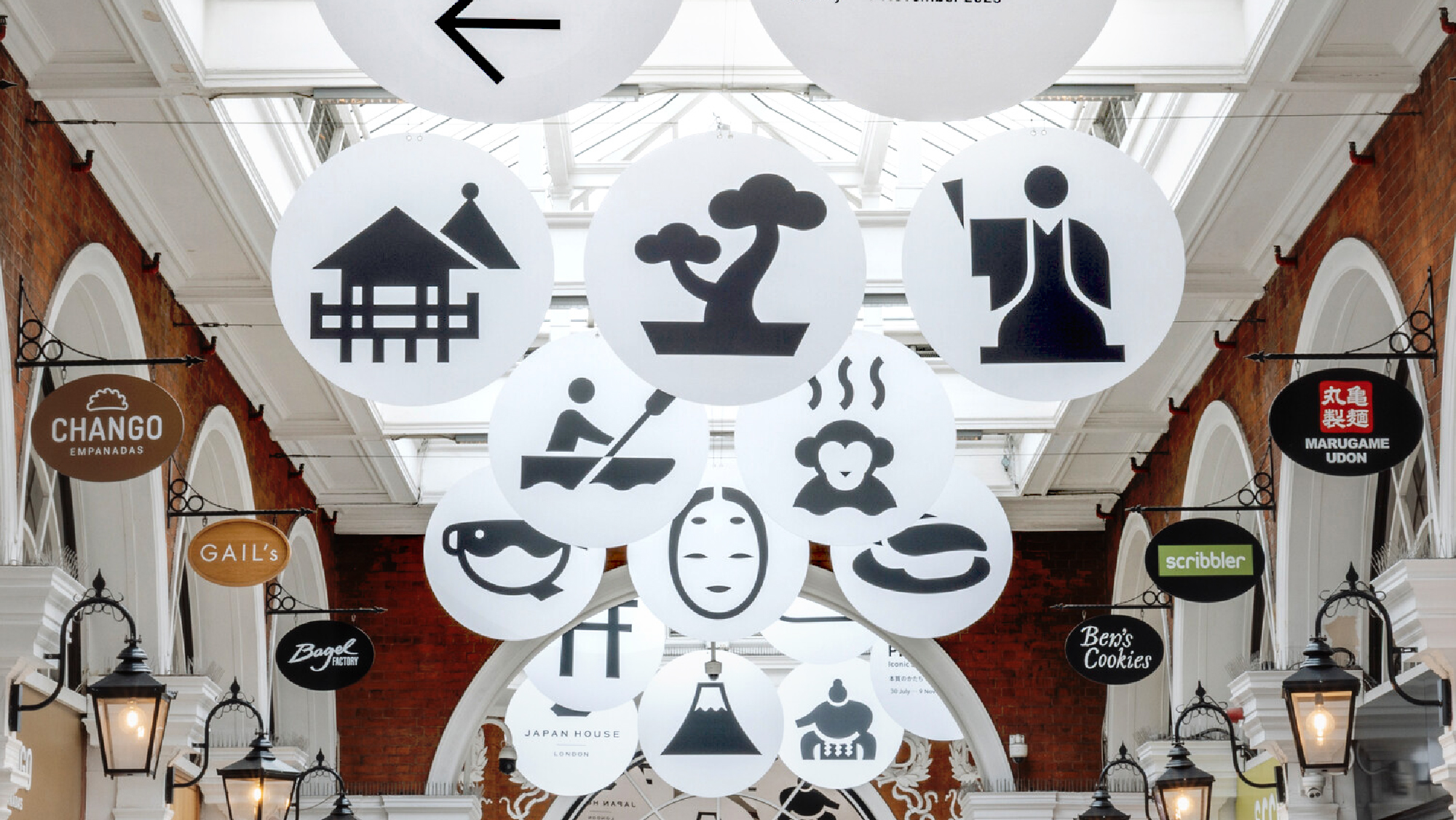

Japan House London Exhibition
The windows of Japan House London were decorated with a pictogram of a large sumo wrestler. During the exhibition period in October 2025, the Grand Sumo Tournament made its return to London for the first time in 34 years, since 1991—a season when the city felt, for a brief moment, awash with Japanese culture.
In the gallery, “My London Pictograms” was also presented: a project in which sketches freely drawn by children on the theme of “What is London?” were transformed into pictograms. London-inspired motifs, full of history and humor, lined the walls in a vibrant array.
About the My London Pictogram project

Japan House Los Angeles Exhibition
For the Japan House Los Angeles exhibition, which opened in February 2026, the windows were filled with colorful neon signs inspired by the neon tube advertisement boards and theater marquees that illuminated cities like Los Angeles from around the 1930s onward.
Following the successful London edition, the exhibition featured “My LA Pictograms,” showcasing children’s interpretations of “What is LA?” rendered as pictograms. Motifs such as Hollywood, beaches and palm trees, tacos, and hot dogs—inspiring as the blue skies of LA—captured the vibe of the city and filled the gallery with a sense of lightness and freedom.
About the My LA Pictogram project